Garden clearance in Camden
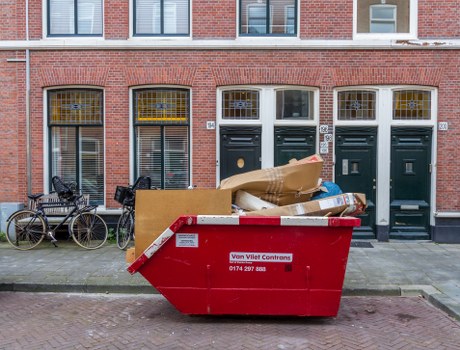
Garden clearance in Camden is a practical service for tidying outdoor spaces, removing green waste and taking away unwanted items that have built up over time. Whether a garden needs a seasonal reset, a once-only clear-out or a more detailed removal of mixed debris, the aim is to leave the area ready for its next use. We handle the labour of lifting, sorting and loading so the work can move forward in an orderly way, with attention to the type of material being removed and the space available on site.
The service can cover regular garden waste as well as heavier or awkward material that is not suitable for a simple bagged collection. That may include hedge trimmings, branches, soil, plant cuttings, broken garden furniture and a mixture of items left after outdoor work. Our approach is straightforward: take away what no longer belongs in the garden, keep the process organised and make sure the clear-up is matched to the customer’s instructions.
If you need a clearer idea of how the work would be handled, explore the options below and request a quotation when you are ready. See pricing and quotes for a useful starting point.
What our garden clearance service covers
Garden clearance is often broader than simple green waste removal. A garden can contain cuttings from pruning, roots or turf lifted during landscaping, damaged containers, old play equipment, timber, fencing offcuts and general clutter that has ended up outdoors. Clearing these items well means separating what can be moved with ordinary loading from items that may need more careful handling because of size, weight or condition. The result is not just less waste, but a tidier working area that can be assessed properly afterwards.
We can also deal with mixed loads where plant matter and non-organic items are combined. That is common after a long period without maintenance, after a tenant move-out or when a border, shed side or patio has been used for temporary storage. For a simple example of the way our services are organised, garden clearance details sit alongside other property and waste services on the site, while waste removal is useful where the material is not limited to outdoor debris.
Typical garden clearance jobs may include:
- hedge cuttings, grass and leaves
- branches, logs and light timber
- old plant pots, trays and broken containers
- discarded outdoor furniture and household items stored outside
- soil, turf, small amounts of rubble or general garden debris
Handling green waste and heavier garden material

Different garden materials behave differently during clearance, so the work has to be organised with that in mind. Light green waste can often be gathered quickly, but wetter cuttings, loose soil and thorny or tangled material can take longer to handle cleanly. Heavier pieces such as broken sleepers, planters, fencing and collapsed sheds or frames may need more time for safe lifting and sorting. That is why a good clearance is about more than putting everything into one pile.
Where there are multiple material types, we aim to keep them separate enough for sensible handling. This supports better loading and helps avoid unnecessary damage to paths, paving or the remaining planting areas. If a customer only wants specific sections cleared, such as the rear border, the side return or the area around a shed, the service can be focused on those spots rather than turning into a full garden strip-out. Recycling and sustainability explains the wider approach to material handling and recovery.
Useful preparation can be simple. If there are items that must stay in place, mark them clearly. If access is narrow, make sure gates can be opened and pathways are usable. Where the garden contains mixed waste, a rough inventory in advance can help the work begin more smoothly. These steps are practical rather than compulsory, and they are mainly about reducing delays and avoiding unnecessary handling.
Clearances for overgrown, neglected or cluttered gardens

Some gardens need a tidy-up after a period of limited maintenance rather than a one-off disposal of fresh cuttings. In those cases, the clearance may involve collecting dead growth, removing fallen branches, lifting accumulated rubbish and making space around borders, paths and seating areas. Overgrown corners often conceal mixed material, so a careful approach is needed to reveal what is there before loading begins. The aim is a workable outdoor space rather than a rushed sweep through the surface clutter.
Cluttered gardens can also include domestic items that were stored outside because they no longer fitted indoors. Broken toys, redundant planters, old mats, rusted metal pieces and general odds and ends may all appear in the same area. A tidy process helps separate these from garden waste and avoids leaving small fragments behind. If you need additional help with outdoor storage spaces, our garage clearance and home clearance pages show related types of property clear-out work.
For customers comparing options, a quotation is usually easiest when the scale of the job is described clearly. Mention whether the clearance is a border-only job, a full garden sweep or part of a larger property clearance. It also helps to note any difficult access, tight side passages or items that need special handling. That does not mean the job must be fully organised before you enquire; it simply gives a firmer basis for the estimate.
Useful related clearance services
Garden clearance is sometimes only one part of the work a property needs. A customer may be dealing with an outdoor space, a loft, a garage or a whole house that all need attention at once. In those circumstances, related services can be combined or scheduled in a way that makes sense for the property. This is especially useful when items have moved between rooms and the garden over time, or when there is a general clear-out after renovation or tenancy change.
Our service range includes house clearance, flat clearance and office clearance for indoor and workplace settings, plus loft clearance and furniture clearance where larger or bulky items need attention. If the garden contains damaged outdoor furniture or timber pieces, those may sit naturally alongside the main clearance rather than requiring a separate visit. The right choice depends on what is on site and how the material is distributed.
There are also situations where builders’ offcuts or work debris have reached the garden. In that case, builders waste clearance can be relevant, especially where paving, fencing, shed work or landscaping has left a blend of rubble, packaging and timber. For furniture that is no longer wanted, furniture disposal provides a useful route to move bulky items away with the rest of the load.
How we plan a quotation

A clear quotation starts with the practical details of the garden rather than broad assumptions. The main questions are usually what needs removing, how much of it there is, whether it is mixed with other material and how straightforward the access will be. A small pile of clippings is very different from a full clear-out involving branches, plant pots, fencing and wet soil. Those differences affect the time, labour and loading needed, which is why a precise description is so helpful.
If the job is part of a wider property tidy-up, it is worth grouping the related items together in your description. That helps avoid underestimating the work and gives a better view of whether one visit can cover everything. Our about us and contact us pages can help if you want to understand the wider business details or send an enquiry after reviewing the service pages. Keep the description practical, and mention any access constraints, gates, steps or narrow paths that could affect handling.
For many customers, a good quotation request includes only three things: a broad description of the waste, a note on access and an idea of timing. Photographs can be useful when a pile is difficult to describe, but they are not the only way to explain a garden clearance. If there are items you would like retained, set that out clearly so the quote reflects the actual scope of work rather than a guess. That is often enough to start the conversation.
Camden streets, outdoor spaces and local character
Camden in north London is known for a dense mix of residential streets, major roads, market areas and cultural venues, all set within a borough that includes a wide range of building types and public spaces. The district takes its name from Camden Town, which grew in importance during the nineteenth century around transport links and canal-side industry. Today the area combines terraces, mansion blocks, local squares and high-footfall commercial streets, with Regent’s Canal forming one of its most recognisable physical features. The canal corridor is a lasting reminder of the area’s industrial past, while also providing a linear route that threads through a busy urban landscape.
Green spaces in and around Camden add contrast to the built environment. Regent’s Park lies to the west, Hampstead Heath reaches the higher ground to the north, and smaller gardens and squares are scattered through surrounding neighbourhoods. The borough also contains well-known institutions such as the British Museum in nearby Bloomsbury, the British Library at King’s Cross and the listed terraces and civic buildings that shape much of the streetscape. Camden’s public identity has long been tied to music, markets and independent retail, but its urban form is equally defined by railways, canals and the layered development of central and north London.
The area includes a range of neighbourhoods with distinct characters, from the lively market streets near Camden Lock to quieter residential pockets and student-heavy districts closer to the university quarter. Transport connections are strong, with several Underground and rail stations serving the wider borough and supporting constant movement through the area. Camden’s architecture ranges from Georgian and Victorian fabric to later commercial and housing schemes, and that variety gives the place a strong sense of change over time rather than a single uniform appearance.
Making the work straightforward on the day
Once a quotation has been agreed, the clearance itself works best when the area is reasonably accessible and the main items are identifiable. That does not mean everything must be sorted in advance; it simply helps if there is a clear route to the material and a sense of what should be removed first. For gardens, the most useful information often concerns gates, side passages, surface conditions and whether any items are especially awkward to carry. A little clarity can save unnecessary handling.
There are also cases where the garden contains items with different disposal needs. A pile of fresh cuttings is not treated in the same way as damaged timber, metal frames or mixed household items. business waste removal may be relevant where the material includes commercial debris from outdoor maintenance work, while insurance and safety gives a useful sense of the wider care taken around handling and site work. These pages are not required reading, but they can be helpful when comparing services.
If you are planning more than one type of clear-out, it can be sensible to group them in a single enquiry so the work can be reviewed together. That is especially useful where a garden, shed and indoor storage area all contain unwanted items. One clear list is better than several vague notes, and it makes it easier to give a sensible response without overcomplicating the process.
Garden waste, materials and sorting decisions
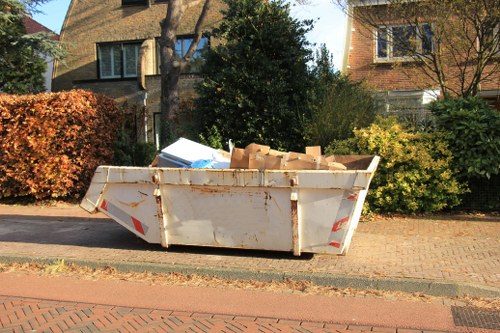
Not every piece of material in a garden is treated in the same way, so sorting decisions matter. Organic waste such as grass, leaves and cuttings behaves differently from plastic, metal, treated wood or broken household items placed outside. Some gardens contain a little of everything, especially after repairs, landscaping or a long period without tidying. A good clearance takes account of that variety rather than treating the whole area as one generic load.
Where practical, separating obvious categories can make the job cleaner and easier to load. For example, branches and green waste can often be stacked differently from broken pots, while old furniture or metal fixtures may need a separate approach because of their size and weight. This does not mean the customer has to do the sorting in advance; it simply reflects how the work is usually handled once it begins. If the outdoor area includes waste from a loft or indoor clear-out, the overall load may need a broader review.
When you are ready to move forward, you can ask for a quotation and describe the garden in ordinary terms. A short note about the material, the size of the pile and the access route is usually enough to begin. For anything more involved, using the site’s service pages can help you identify whether the job is best treated as garden clearance alone or alongside another clearance category.