Insider tips for garden rubbish removal in Primrose Hill

If your garden has started to look more like a holding bay for cuttings, broken pots, old sleepers and the odd rusting bit of metal, you are not alone. Garden rubbish removal in Primrose Hill can feel deceptively simple at first, then suddenly fiddly: narrow access, limited parking, awkward loads, wet green waste, and the small but real issue of what goes where. The good news? A few insider tips make the whole thing calmer, faster, and usually cheaper. In this guide, we will walk through the practical side of getting garden waste cleared properly, without the stress or the last-minute panic.
Whether you are tidying a compact patio, clearing a larger back garden, or dealing with a one-off blitz after landscaping, the aim is the same: remove the waste safely, keep the process efficient, and avoid the common mistakes that turn a simple job into a messy one. Let's get into the bits that actually matter.
Why Insider tips for garden rubbish removal in Primrose Hill Matters
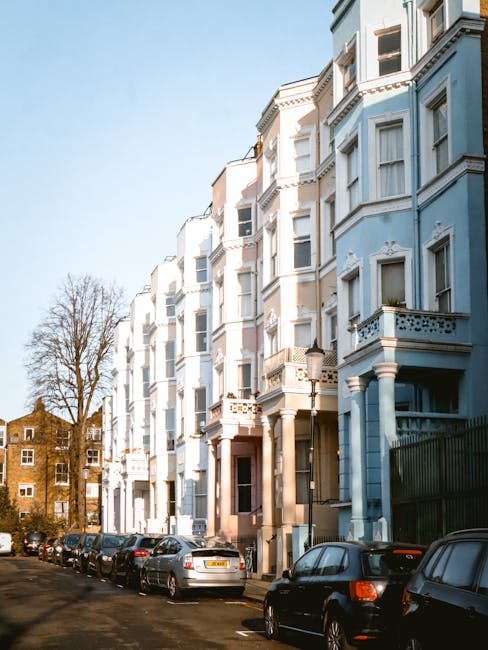
Primrose Hill has its own rhythm. Homes and gardens are often compact, access can be tight, and parking rarely feels generous. That matters more than people expect when it comes to garden waste collection. A pile of branches, soil bags, hedge trimmings, turf, fence panels or old plant pots may look manageable on paper, but moving it through a narrow passage or up a few awkward steps is another story entirely.
Another reason this topic matters is that garden rubbish is not all the same. Green waste, soil, wood, broken furniture, tiles from a small landscaping job, and mixed rubbish all need different handling. If you treat everything as one pile, you can end up with more labour, more trips, and sometimes higher disposal costs. A little planning early on tends to save a lot of time later. Truth be told, the messy middle is where most people lose patience.
For local residents, the real value is not just removing waste. It is keeping the garden usable, preventing pests, reducing trip hazards, and making sure the job is done in a way that feels tidy rather than disruptive. If you are doing a more involved home reset, it can also sit neatly alongside home clearance or even broader house clearance planning, especially when the garden and indoor clutter are linked.
How Insider tips for garden rubbish removal in Primrose Hill Works
The process is usually straightforward once you know the moving parts. First, identify what needs removing. Then separate the waste into sensible groups. After that, decide whether you are doing a DIY run, hiring a skip, or arranging a professional collection. The best option depends on volume, access, time, and how mixed the waste is.
A professional garden clearance service normally begins with a quick assessment of the materials. That assessment is more useful than it sounds. A bag of hedge trimmings is one thing; a load of wet soil, a damaged bench and old decking offcuts is another. The collection team can then plan the load, decide what needs lifting first, and estimate how much vehicle space will be needed. It sounds basic, but it saves everyone a headache.
In practical terms, the cleaner the waste is sorted before collection, the smoother the removal tends to be. If green waste is separate from mixed rubbish, it is easier to process responsibly. If heavy items are kept near access points, the load-out is quicker. If you have awkward items like an old barbecue, a broken planter or small pieces of fencing, stack them where they can be reached without treading over the rest of the garden. Little things, big difference.
If the rubbish came from a wider tidy-up rather than pure garden work, you might also need related clearance help such as garage clearance or loft clearance. That is common in real life. One job turns into three. Happens all the time.
Key Benefits and Practical Advantages
There are several clear benefits to handling garden rubbish properly instead of simply piling it up and hoping for the best.
- Better use of space: A cleared garden feels bigger, calmer, and easier to maintain.
- Safer access: Removing sharp branches, broken pots, and loose debris reduces trip and cut risks.
- Faster gardening work: Once waste is out of the way, planting, mowing, pruning and patio cleaning all become easier.
- Cleaner finish: A tidy removal leaves the space looking intentionally maintained rather than half-done.
- More efficient disposal: Sorting waste properly can make collection and recycling simpler.
There is also a quieter benefit that people sometimes forget: peace of mind. When the garden is clear, you stop thinking about it every time you look out of the window. That alone is worth something. Especially on a grey London afternoon when the light catches a heap of branches and suddenly the whole scene feels more chaotic than it really is.
For households dealing with a bigger declutter, garden waste removal can be part of a wider tidy-up that includes furniture disposal or the removal of old outdoor items via furniture clearance. That makes sense when garden furniture, planters and indoor overflow all end up in the same clearing project.
Who This Is For and When It Makes Sense
This kind of clearance is useful for a lot of people, not just those with large gardens. In Primrose Hill, the most common situations tend to be smaller and more specific.
- Homeowners doing seasonal pruning, hedge cutting or a full garden refresh.
- Landlords and property managers preparing outdoor areas between tenancies.
- Busy households that have let green waste build up for weeks after a renovation or landscaping job.
- Older residents who do not want to shift heavy bags or awkward branches themselves.
- Garden designers and tradespeople who need fast removal after a job is completed.
It makes sense when the waste is too bulky for normal bins, too heavy for a casual car run, or too mixed to handle cleanly in one go. It also makes sense when you simply do not want your weekend swallowed by loading, tipping and unloading. To be fair, there are better ways to spend a Saturday.
If the waste came from a small building or landscaping project, a related service such as builders waste clearance may be more appropriate for rubble, old timber, broken edging stones and similar materials. That distinction matters because not all debris belongs in the same pile.
Step-by-Step Guidance
Here is a sensible way to approach garden rubbish removal without overcomplicating it.
- Walk the garden and identify everything that needs to go. Look beyond the obvious. Small offcuts, loose screws, cracked trays and hidden bags are easy to miss.
- Separate waste into categories. Green waste, soil, wood, metal, plastic, and general rubbish should be grouped where possible.
- Check access routes. Measure gates, side passages and any tight corners. If a large bag or bulky branch will not fit cleanly, plan a different route.
- Move items close to the exit. Keep the heaviest or most awkward pieces nearest the collection point so no one is carrying them across the garden twice.
- Remove hazards first. Broken glass, nails, sharp tools and splintered wood should be dealt with before any larger stacking begins.
- Decide whether it is a DIY job or a professional collection. If the load is small and light, DIY may be fine. If it is mixed, heavy or time-sensitive, professional removal is usually the calmer choice.
- Confirm recycling and disposal expectations. Ask how materials are handled, especially if you want a more sustainable approach.
A useful little trick: if you are unsure whether something counts as green waste or mixed waste, set it aside rather than forcing a decision. That tiny pause can prevent a whole pile from becoming contaminated. Not glamorous, but effective.
Expert Tips for Better Results
These are the insider details that make a real difference.
- Cut bulky branches down before collection day. Shorter lengths are easier to stack, safer to lift, and less likely to snag on gates.
- Keep wet waste separate if you can. Soaked hedge trimmings and sodden turf become heavier quickly, which affects handling.
- Bag light material loosely, not too tightly. Overfilled bags split. Underfilled bags are easier to move and usually safer for staff.
- Do not bury heavy objects under soft waste. It looks tidy, but it slows the job down and increases the risk of strain or injury.
- Think about parking before collection day. In Primrose Hill, that tiny detail can change the whole rhythm of the job.
- Ask about recyclable streams. Wood, green waste and metal are often easier to separate than people assume.
One simple habit saves a lot of effort: keep a "maybe" pile. If an item needs dismantling, cleaning or checking, do not toss it into the main heap immediately. A small decision now can save a clumsy sort later. And yes, it is a bit boring. It works, though.
Another practical tip is to time the clearance around the weather. A dry morning can make everything easier; a damp afternoon can make soil heavier and slippery. You notice it more than you think, especially if you are moving bags through a narrow passage behind the house.
For sustainable disposal, you may want to review a provider's recycling and sustainability approach. That is useful if you care about what happens after the waste leaves the property, which many Primrose Hill residents do.
Common Mistakes to Avoid
Most problems with garden rubbish removal come from rushing. A few classic mistakes crop up again and again.
- Mixing everything together: Green waste, rubble, wood and general rubbish become harder to sort once they are piled up.
- Underestimating weight: Soil and wet cuttings are much heavier than they look. A few bags can become a real lift.
- Ignoring access restrictions: Tight side returns, steps and shared entrances can slow things down if no one checks them first.
- Forgetting hidden items: Nails, screws, broken ceramics and bits of wire are easy to miss, and nobody enjoys a surprise scratch.
- Leaving waste too long: The longer it sits, the more it spreads, smells, or attracts pests.
- Choosing a service without checking how disposal is handled: You want clarity, not assumptions.
People also sometimes forget that garden waste can be seasonal. After a pruning-heavy week in late summer or early autumn, volumes can rise fast. That is when a tidy plan matters most. It is not dramatic, but it does stop the garden from getting swallowed by its own leftovers.
Tools, Resources and Recommendations
You do not need a shed full of specialist gear, but a few basics make life much easier.
- Sturdy gloves: Good for thorns, rough timber and broken terracotta.
- Heavy-duty sacks or reusable bags: Handy for loose clippings and lighter mixed debris.
- Pruning shears and loppers: Useful for reducing branch size before stacking.
- Wheelbarrow or tub: Helpful if the waste needs moving from the back of the garden to the front.
- Broom and dustpan: Ideal for the final sweep once the obvious debris is gone.
- Tarp or sheet: A simple way to protect paths and keep waste contained while you sort it.
For larger domestic clear-outs, it can help to think beyond the garden. If the declutter is spreading indoors too, services like flat clearance or garage clearance may be relevant as part of one coordinated job. That is often more efficient than trying to handle each part separately over several weekends.
And if you want a clearer idea of the service before booking, a look at pricing and quotes can help you understand what to ask and how to compare options sensibly.
Law, Compliance, Standards, or Best Practice
Garden rubbish removal is not just a practical task; there are basic compliance and duty-of-care expectations around waste handling in the UK. You do not need to become a legal expert, but you should avoid handing waste to anyone who cannot explain what happens to it afterwards. That is the short version.
As a householder, your main concern is making sure waste is removed by a responsible operator and handled lawfully. In practice, that means checking that the service is insured, that staff work safely, and that waste is transported and disposed of properly. If you are using a collection provider, their insurance and safety information should be easy to understand. So should their health and safety policy.
If you are comparing services, it is also sensible to read the small print. Clear terms and conditions and a straightforward complaints procedure tell you quite a lot about how seriously a company takes its work. A company that explains things clearly tends to handle actual jobs clearly too. Not always, but usually.
For privacy and booking details, it is also reasonable to check the provider's privacy policy. If you are making an enquiry or arranging access for a property, you want to know how your information is handled. That is just sensible.
In broader terms, best practice means avoiding fly-tipping, separating recyclable material where practical, and keeping the site safe while the waste is being moved. Nothing fancy. Just decent, careful work done properly.
Options, Methods, or Comparison Table
There are a few ways to get garden waste removed, and each has its own trade-offs. The best option depends on volume, access, urgency and how much physical lifting you want to do yourself.
| Method | Best for | Pros | Watch-outs |
|---|---|---|---|
| DIY bagging and council-style disposal | Small, light loads | Low cash outlay, flexible timing | Time-consuming, lifting involved, limited for bulky or mixed waste |
| Skip hire | Ongoing garden work or larger volumes | Good capacity, straightforward for repeated loading | Space needed, permits or access considerations may apply, not ideal for narrow Primrose Hill streets |
| Professional garden clearance | Heavy, mixed, awkward or urgent jobs | Fast, labour included, less stress | Needs clear communication about scope, access and waste type |
In compact London neighbourhoods, professional collection often wins on convenience alone. The crew handles the carrying, sorting and loading while you avoid wrestling damp hedge waste through a doorway at the end of the day. There is a real quality-of-life difference there.
If you are comparing services across a bigger property project, the same practical thinking applies to waste removal generally. The cleaner the scope, the smoother the collection.
Case Study or Real-World Example
A typical Primrose Hill scenario goes like this. A homeowner spends two weekends cutting back overgrown shrubs, pulling out dead pots, and dealing with an old timber planter that has finally given up. At first glance, it looks like a modest pile. Then the pile grows. Branches are awkwardly long, the soil bags are heavier than expected, and the back gate is just a bit tighter than anyone remembered. Classic.
Instead of trying to move everything in one chaotic rush, the homeowner sorts the waste into three groups: green cuttings, timber, and mixed rubbish. The branches are trimmed down, the soil is bagged separately, and the broken planter is placed by the entrance. A clearance team then removes the waste in one efficient visit, with less carrying, less mess and fewer back-and-forth trips through the house.
The result is not just a cleared garden. It is a calmer process, fewer unnecessary lifts, and a better finish at the end. That is what good garden rubbish removal often looks like in real life. Nothing glamorous. Just tidy, sensible execution.
When outdoor waste forms part of a bigger domestic clear-out, it is often worth planning the order of work. For example, clearing bulky items from a shed or side return before garden waste can open up the route and make everything else easier. Small sequencing choices matter more than people think.
Practical Checklist
Use this before collection day.
- Walk the garden and confirm every item that needs removing.
- Separate green waste from wood, soil, and general rubbish where possible.
- Cut long branches into manageable lengths.
- Place heavy items near the access point.
- Check for nails, broken glass, or sharp edges.
- Make sure gates, side paths and entrances are clear.
- Think about parking and loading access.
- Keep pets and children away from the work area.
- Confirm how recyclable waste will be handled.
- Keep a quick note of any awkward items you want to flag in advance.
If you want a greener finish, ask about the provider's recycling and sustainability approach before the job starts. It is a small question, but it can shape the outcome more than you'd expect.
Expert summary: The smartest garden rubbish removal is usually the one that is sorted early, staged clearly, and matched to the access you actually have. In Primrose Hill, that usually means less dragging, less guessing, and fewer surprises on the day.
Get a free quote today and see how much you can save.
Conclusion
Garden rubbish removal in Primrose Hill becomes much easier once you stop treating it as one big lump of waste and start seeing it as a simple sequence: sort, stage, lift, remove. The smaller the decisions you make early, the smoother the whole job becomes. That is the real insider trick, honestly.
Keep access in mind, separate materials sensibly, avoid overfilling bags, and do not underestimate the weight of damp green waste. If the job grows beyond a quick tidy, a professional clearance route can save time and spare your back. And if you are bundling the garden with other household clutter, the wider services available through the same provider can keep the project organised from start to finish.
Handled well, garden clearance does more than clear space. It gives you your garden back. That is the nice part.
Frequently Asked Questions
What counts as garden rubbish removal in Primrose Hill?
It usually includes hedge trimmings, branches, grass cuttings, weeds, soil, old pots, broken planters, timber offcuts, and other outdoor debris. If the waste is mixed with general household rubbish or building material, it may need a slightly different removal approach.
Is green waste handled differently from mixed garden waste?
Yes, often it is. Green waste is usually easier to process when kept separate from plastics, rubble, metal or broken furniture. That separation can make collection more efficient and may support better recycling outcomes.
How do I know if I need professional garden clearance?
If the waste is bulky, heavy, awkward to access, or simply too much for you to move safely, professional clearance makes sense. It is also a good option if you want the job done quickly without sacrificing the whole day.
Can garden rubbish be removed from a small or hard-to-access property?
Usually, yes. Tight access is common in London, and it just means the team needs a clear picture of the layout before arriving. Narrow gates, steps and shared passages are all manageable if planned properly.
What should I do before the collection team arrives?
Separate the waste if you can, clear the route to the garden exit, and place heavier items where they can be reached easily. It also helps to flag anything sharp, especially broken pots, glass or rusty metal.
How can I keep the cost under control?
Keep materials sorted, avoid mixing unnecessary junk into the pile, and be realistic about volume. A clear, tidy load is easier to estimate and often simpler to remove than a vague mountain of mixed debris.
Is it worth combining garden rubbish removal with other clearance work?
Often, yes. If you also have items in the garage, loft or house that need removing, combining jobs can save time and reduce disruption. It is especially useful when the outdoor clutter is part of a bigger reset.
What happens to the garden waste after collection?
That depends on the material and the provider's sorting process. Green waste, wood and recyclable items may be separated where practical. A responsible service should be able to explain its disposal and recycling approach clearly.
Do I need to worry about safety during garden rubbish removal?
Yes, but only in the sensible way. Watch for sharp edges, heavy bags, slippery paths and awkward lifting. Good gloves, clear routes and a bit of patience go a long way.
Can old garden furniture be taken away too?
Usually it can, especially if it is part of a garden or outdoor clearance. Worn tables, chairs, benches and planters often go alongside general garden rubbish, though the exact handling may depend on the materials involved.
What is the biggest mistake people make with garden waste?
Rushing the sorting stage. When everything goes into one pile, the job becomes heavier, slower and more confusing. A few minutes of sorting at the start saves a lot of effort later.
How do I arrange the next step if I want help?
The simplest next step is to gather the rough details: what needs removing, how much there is, and whether access is tight. From there, you can compare the service to your needs and move forward with confidence.